


We’ve all been there. Pulling into a gas station again just to pump air into your tires. When your tires won’t stay inflated, it doesn’t just mess with your routine; it messes with your safety.
Underinflated tires don’t handle as well, they guzzle more gas, and in worst-case scenarios, they can even lead to blowouts. But you don’t need to be a mechanic to figure out what’s going on. Most of the time, the reason your tires keep losing air is something simple and fixable.
Let us lay out the usual suspects and how you can stop the air from sneaking out. Because driving should feel safe and stress-free.
Why Driving on Low Tires Is a Bad Idea
You probably know flat or underinflated tires aren’t great, but it’s nice to remind yourself once in a while.
When tires don’t have enough air, they flex more as you drive. That extra flexing creates heat, wears out the rubber faster, and increases the risk of a popped tire, especially on hot days or long highway drives. They also don’t grip the road as well, so stopping in the rain or swerving to avoid something becomes way riskier.
And let’s talk money: underinflated tires can reduce your fuel efficiency by up to 0.5 to 1%. That might not sound like much, but it adds up. So, keeping your tires properly inflated is one of the easiest ways to save cash and keep your car running right.
Why Are Your Tires Losing Air?
It’s not always a giant nail or a dramatic flat tire. Sometimes, the problem is sneaky so that you can’t spot it right away. Here are the most common (and often overlooked) reasons:
1.Tiny Punctures in Your Tires
A small nail, screw, or shard of glass can poke a hole so slowly that it takes weeks to notice. The tire leaks air gradually, and suddenly… it’s flat again.
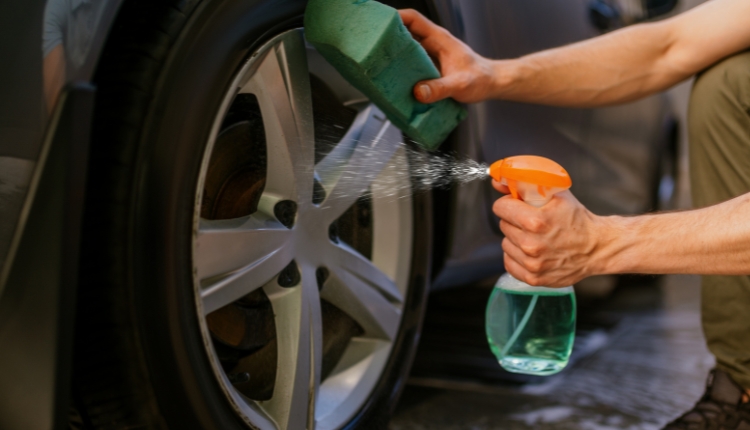
This is how you can find those tiny holes: Mix soapy water and spray it on your tire. Where you see bubbles is where you’ll see the leak. Most small punctures can be patched, so there’s no need for a full replacement.
2. A Worn-Out Valve Stem
That little nozzle you use to add air? It’s called the valve stem. Over time, it can crack, get loose, or wear out, and that’s a perfect escape route for air. The best way to fix this is to replace it. It’s cheap and fast so you don’t have to worry about spending too much or having the necessary skills to fix it.
3. Weather
Ever notice your tire pressure light comes on more in winter? Cold air shrinks things, so your tires naturally lose a few PSI (pounds per square inch) when temperatures drop. It’s normal, but it’s easy to miss. Check your pressure more often in fall and winter, and don’t panic if it’s a little low in the morning, just top it off!
4. Bead Leaks
The “bead” is the edge of the tire that seals against the wheel. If it gets dirty, damaged, or wasn’t seated right during installation, air can slowly seep out. This often happens after hitting a pothole or curb hard. We can clean and reseat the tire so that you don’t have to worry about it.
5. Dented or Rusty Rims
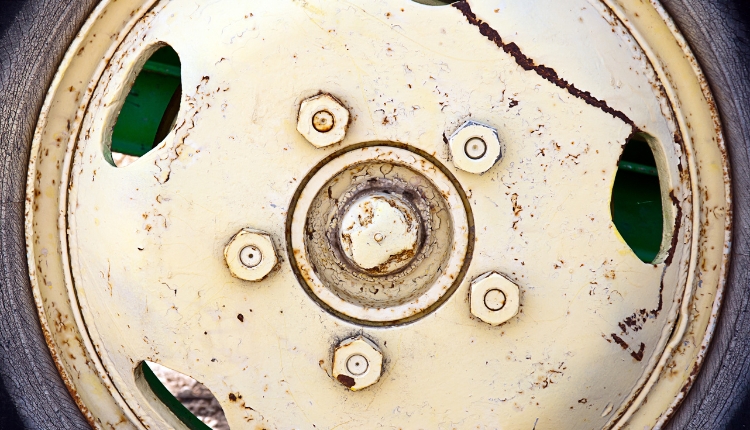
Even a small bend or patch of corrosion on your wheel can break the seal and cause a slow leak. Aluminum rims can corrode and steel ones can rust. If your tire keeps losing air and you’ve crossed out other causes, take a closer look at the rims. Get a professional rim repair to keep your tires intact for longer.
6. Carrying Too Much Weight
Extra weight increases the pressure on your tires, making them more prone to leaks and wear. Check your car’s door jamb or manual for the max load rating. Staying under it keeps your tires good for longer.
7. Old Tires
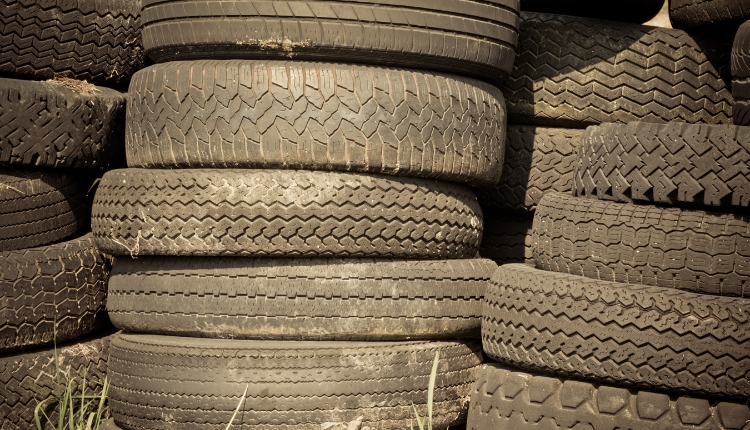
Tires age, even if they don’t look worn. After about six years, the rubber starts to dry out and crack. Tiny cracks you might not see can let air escape over time. If your tires are up there in age, consider replacing your tires as soon as possible. New tires hold pressure better and keep you safer.
8. Not Filling Them Right
Sometimes, the fix is simpler than you think. Check your owner’s manual or the sticker inside the driver’s door for the recommended pressure to fill your tires. Make sure it’s not the number on the tire sidewall (that’s the max, not the ideal). Use a good gauge and check the pressure monthly.
How to Keep Your Tires Happy (and Full of Air)
A little TLC goes a long way. Here’s how to keep those tires inflated:
- Check pressure monthly: Make it part of your routine, like changing the oil or checking wiper fluid.
- Inspect for damage: Look for nails, cracks, or bulges.
- Rotate your tires every 6,000 to 8,000 miles to keep wear even.
- Avoid potholes and curbs when you can; those little bumps add up.
- Keep rims clean: Especially in winter when road salt can cause corrosion.
- Drive mindfully: Smooth acceleration and braking reduce stress on tires.
Don’t Ignore the Hiss
If your tires keep going flat, don’t just keep pumping air and moving on. That’s like putting a band-aid on a leaky pipe. There’s usually a reason and most of the time, it’s fixable with a little attention. Hopefully, you can say goodbye to surprise low-pressure warnings and hello to peace of mind on the road soon. Treat your tires well and they’ll take care of you!