

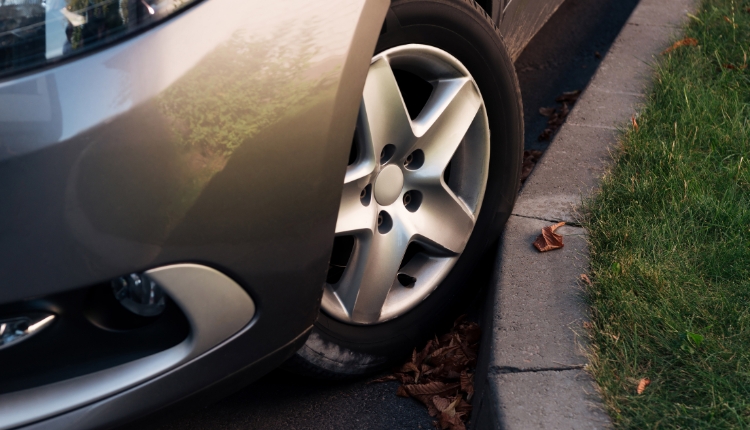
It all happened too fast! You turn too sharply, misjudge the curb, and BAM, your wheel hits concrete. While it’s normal to brush off as a small scuff mark, curb damage on a car can hurt your car in more ways than one. While you may need to replace your tires in Mississauga and other areas in the GTA, it’s not just about the tire. Other critical parts of your vehicle might’ve taken the hit too.
Let’s take a closer look at what exactly happened to your car after it hit a curb.
5 Parts Damaged by Curbs Besides Tires
Hitting a curb might seem harmless, but the impact can send shockwaves through your entire vehicle. Here’s what else could be affected:
1. Signs of Rim Damage from Curbs
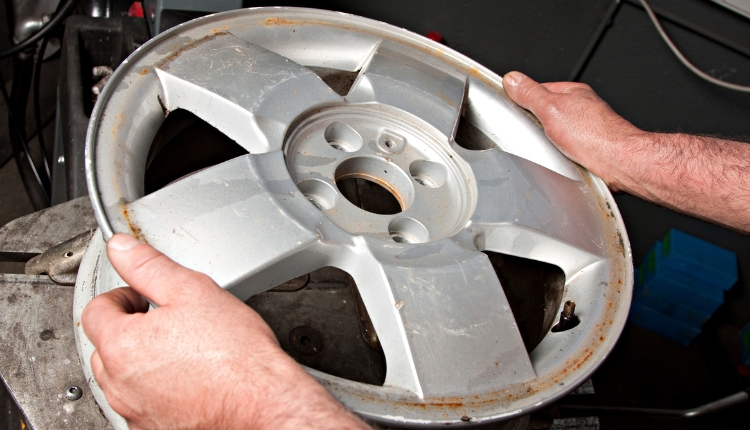
One of the first places curb damage on a car shows up is on your rim. This is the metal part that holds your tire in place. When you scrape or hit a curb, the impact can bend or dent the rim’s edge. This usually happens when the force of the curb transfers through the tire’s sidewall, putting pressure directly on the rim. Here are some signs of a damaged rim:
- A bent or dented rim can cause the tire to lose air slowly.
- You might notice a vibration when driving, especially at higher speeds.
- It can make your wheel look uneven or wobbly, even if the tire looks fine.
Why it matters: A damaged rim affects how well your tire seals and handles. Even if the tire looks okay, the rim underneath might be causing long-term problems. This might lead to you needing a professional rim repair service shortly.
2. Suspension Damage from Curbs
Your suspension system is what helps your car absorb bumps and stay smooth on the road. But it’s not built to handle the jolt of a large curb impact. This is what you should look out for if you’re worried about a weakened suspension system:
- Your car pulls to one side
- It feels like you’re bouncing more than usual when driving
- Unusual clunking or creaking sounds
Why it matters: If your suspension can’t do its job correctly, it puts extra pressure on other parts of the car in the case that another collision occurs. This makes your ride a lot less comfortable and safe.
3. Transmission System Harmed by the Curb
Believe it or not, curb damage on a car can even mess with your transmission, especially in vehicles with all-wheel drive. The transmission is the system that transfers power from your engine to the wheels, helping your car shift gears and drive smoothly.
When one wheel takes a hit and gets pushed out of alignment, your car’s drivetrain (the system that delivers power from the engine to the wheels) has to work harder to keep everything moving. Over time, that extra strain can wear down important transmission components.
Why it matters: Replacing transmission parts is expensive. To avoid that costly repair, catching early signs of trouble after a curb impact could save you from a big repair bill down the road.
4. Exhaust Damage from Curbs
The bottom of your car sits pretty low to the ground. If you hit a curb hard enough, your exhaust system might be the next victim because parts like the muffler or tailpipe hang close to the rear wheels and are easily struck during impact. The sudden jolt can bend, loosen, or puncture the pipes that direct exhaust gases away from your engine. This is how you know something’s wrong with your exhaust:
- A rattling sound under the car
- Louder engine noise than usual
- Visible dents or scrapes near the tailpipe
Why it matters: A damaged exhaust can affect engine performance and fuel efficiency, not to mention it can lead to emissions problems.

5. Steering & Alignment Issues After Hitting a Curb
Even a slight knock to the curb can throw your steering and alignment out of whack. That’s because the force can shift key suspension components, like tie rods (help turn the tires when you move the steering wheel) or control arms (link the wheels to the car’s frame and allow up-and-down motion), which are responsible for keeping your wheels properly aligned. Wondering how you can tell if your steering and alignment is off? Here’s what to look for:
- Your steering wheel isn’t centered when driving straight
- The car pulls to one side
- Tires are wearing unevenly
Why it matters: Poor alignment affects your control over the vehicle, making it harder to steer safely and precisely, especially at higher speeds or in bad weather. It also causes your tires to wear out unevenly and faster than they should, meaning you’ll need replacements sooner. On top of that, misaligned wheels create extra resistance on the road, which forces your engine to work harder and burn more fuel.
Tips to Avoid Curb Damage
You can’t avoid every bump in the road, but there are things you can do to reduce the chances of curb damage on a car once it’s already been compromised once:
- Slow down during tight turns, especially in parking lots or near medians.
- Use your side mirrors to get a better view of the curb when parallel parking.
- Give yourself extra space when pulling out of driveways or turning corners.
- Watch for low curbs or broken pavement in older streets.
Paying a little more attention can go a long way in protecting your ride from unexpected damage.

Look Out For Curb Damage Early
Curb damage on a car runs deeper than just the tires. One small impact can throw off your whole ride. Don’t just shrug off a collision with a curb, and make sure to check for these things if you feel something is off immediately. That’ll save you money and stress in the long run. It’s always better to catch a small problem before it turns into a big one, so that you can continue enjoying your car to its full potential!